

When a Woman’s Life Becomes a Matter of Family Honor
On Oct. 5, Maryam Yarmohammadi, a 28-year-old mother of two, was reportedly murdered on Iran’s Qeshm Island. Her killing raises a disturbing question: How does a family come to believe that its honor is worth more than a woman’s life?
According to reports, Maryam was stabbed repeatedly by her brother, sustaining injuries to her neck, breasts and genital area. Her husband allegedly facilitated the attack by removing their children from the home beforehand. The killing was reportedly motivated by allegations that Maryam had been involved with another man.
The Stop Honor Killings Campaign reported that approximately 50 relatives and acquaintances gathered outside the hospital to protest her brother’s arrest; some said that Maryam’s death was the least punishment she deserved.
Over the past 30 days, at least 15 women and girls have been killed across Iran, many allegedly by husbands, brothers or other male relatives, according to Iran International. No one has the right to decide that a woman deserves to die because of her relationships, choices or refusal to obey. Yet within patriarchal systems, the belief that men are entitled to control women’s lives can become so deeply entrenched that violence is used to enforce that authority.
In Iran, these killings continue as legislation intended to protect women from violence has remained stalled for more than a decade.
Patriarchy is not simply a problem of men. It is a system that distributes power and freedom according to gender, positioning men as guardians of family reputation while making women’s personal choices matters of collective control. A perceived transgression can become an insult to the entire family.
Although so-called honor killings are most frequently committed by male relatives, women can also enforce the same patriarchal expectations. Mothers, sisters, and other female relatives may condemn women who challenge family rules, facilitate violence or defend perpetrators. Some may act under fear or coercion; others may really believe that preserving family reputation matters more than a woman’s life and autonomy.
Honor-based violence can follow allegations of sexual misconduct, relationships considered unacceptable, refusal of marriage or attempts to leave a relationship. The accusation need not be true. A rumor or suspicion may be enough to place a woman at risk.
Instead of being recognized as a full person with rights and bodily autonomy, she becomes a symbol of family status. Her behavior is judged by social code, while the violence inflicted upon her is excused by that same code. Perhaps the most disturbing contradiction is the possibility that a mother can mourn her murdered daughter while believing that her daughter had to die. How can someone grieve for a person while defending the logic that made her death acceptable?
The reported injuries to Maryam’s breasts and genitalia also raise questions about the meaning of violence committed in the name of family “honor.” When a woman is accused of violating patriarchal expectations, and the violence inflicted upon her targets parts of her body associated with womanhood and sexuality, we must ask whether the intention extends beyond killing. Could such violence also be an attempt to punish, humiliate or symbolically destroy the very autonomy the perpetrator believes she has violated?
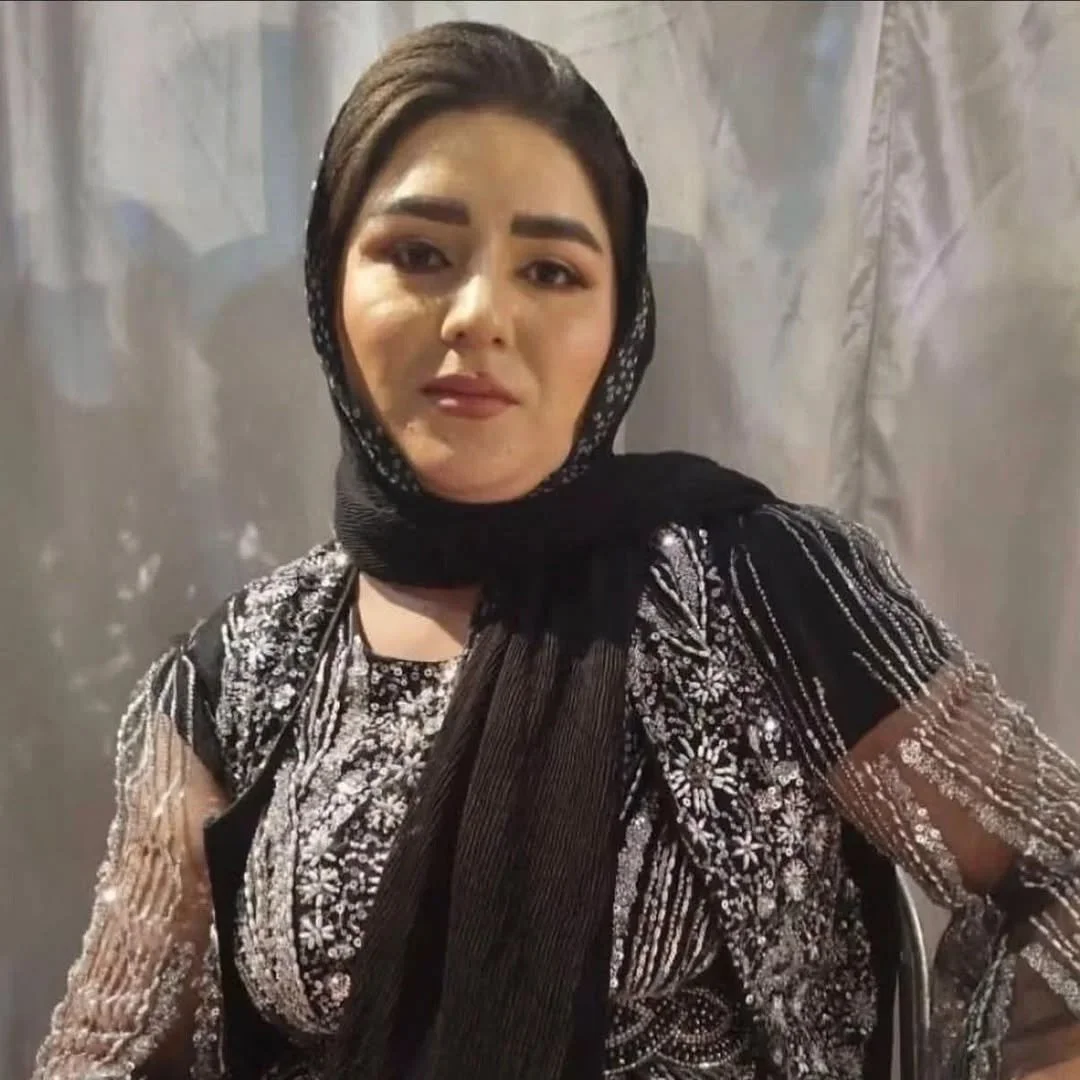
Maryam Yarmohammadi, 28, was reportedly murdered on Iran’s Qeshm Island.
Love does not automatically dismantle deeply internalized beliefs. A mother may have been taught that her daughter’s behavior determines the family’s worth, or fear that protecting her daughter will bring social exclusion. She may mourn her child while continuing to defend the rules implicated in her death. This does not excuse complicity. It reveals how a social code can become more powerful than the instinct to protect someone one loves.
Maryam’s death demands an independent investigation, accountability for those involved, and protection for other women at risk. It also demands that we challenge the beliefs that make a woman’s life conditional upon obedience.